Can Damaged Soffit and Fascia Let Pests Into Your Home?
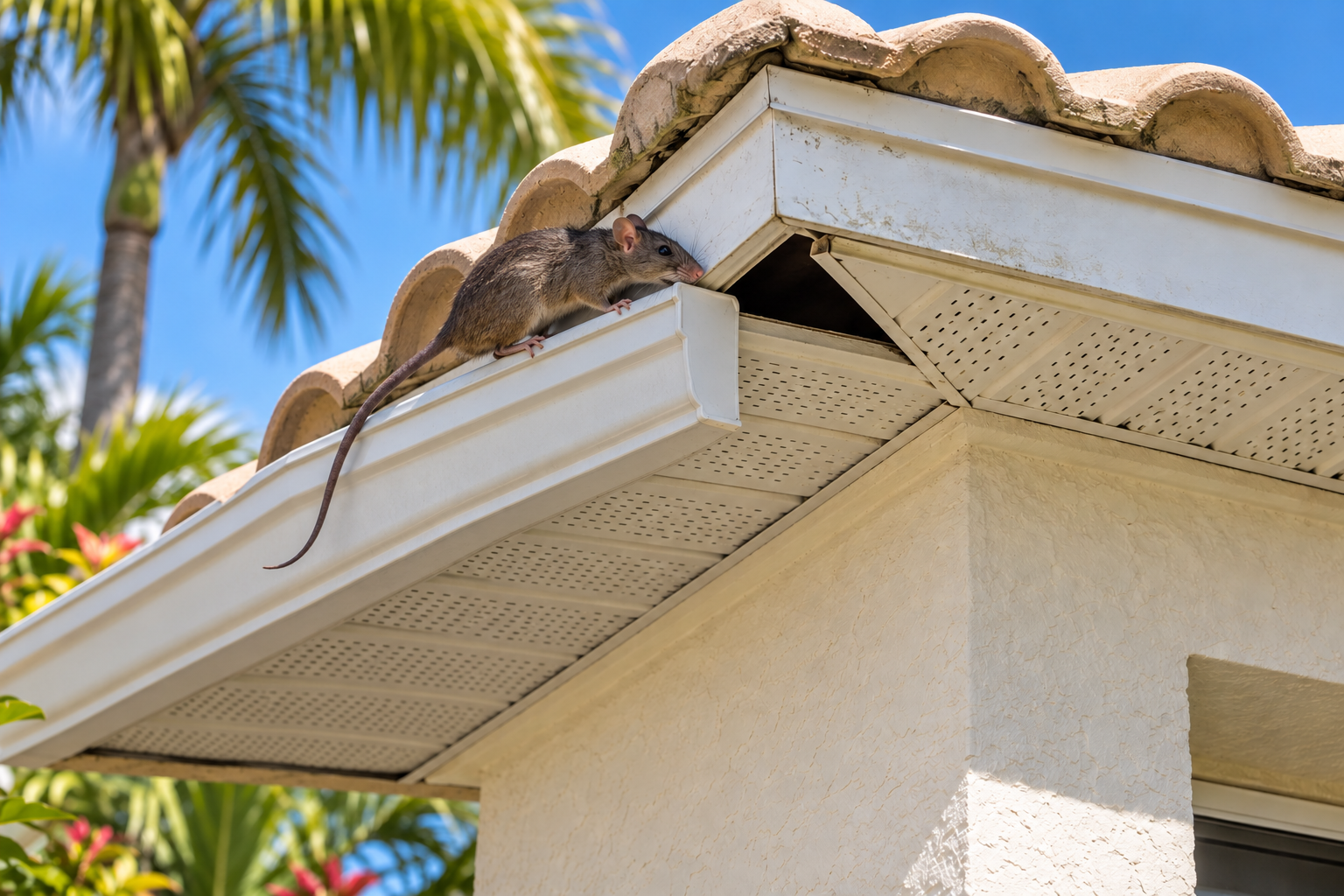
Yes, damaged soffit and fascia can create openings that allow pests into your roofline or attic. Loose panels, damaged vent screens, and gaps around deteriorated fascia can provide access for insects, rodents, birds, or other wildlife. Properly fitted components help close these openings while maintaining the ventilation your roof system needs.
For Florida homeowners, checking the roofline is an important part of exterior maintenance, especially after storms or when panels become loose. Professional soffit and fascia installation can address damaged exterior components, while properly functioning seamless gutters in Florida help manage runoff that could contribute to fascia deterioration. This guide explains where pest entry points develop, which warning signs to look for, and when roofline repairs and pest-control assistance may be needed.
How Do Soffit and Fascia Help Reduce Pest Entry?
Soffit and fascia help close the exterior roofline, reducing openings that pests could use to reach concealed spaces. Their effectiveness depends on properly fitted panels, secure connections, and intact ventilation components.
The soffit covers the underside of the roof overhang, while the fascia runs along the roof’s outer edge. Damage to either component can leave gaps, but neither should be treated as a guarantee against pests or a substitute for addressing an existing infestation.
Roofline Components That Help Limit Access
- Secure soffit panels: Panels seated correctly in their channels help close the underside of the eaves. Loose or missing sections can expose the space behind them.
- Intact vent protection: Suitable vent screens or manufactured vent openings allow airflow while helping restrict pest access. Damaged screens need attention without blocking ventilation.
- Sound fascia and backing: Deteriorated boards or loose coverings can create gaps at the roof edge. Repairs should address the condition beneath the visible finish.
- Properly fitted corners and transitions: Connections between panels, fascia, and adjoining roof sections need careful inspection because openings can develop where materials meet.
Professional soffit and fascia installation can address damaged roofline components while preserving necessary airflow. If pests are already inside, coordinate with a qualified pest or wildlife professional before closing suspected entry points.
Understanding these components makes it easier to spot potential access routes. Next, we’ll look at where gaps commonly develop around soffit and fascia.
Where Can Pests Enter Through Damaged Soffit and Fascia?
Potential pest entry points include loose soffit panels, damaged vents, deteriorated fascia, and gaps where roofline components meet. An opening may lead into the eave or attic, depending on how the home is constructed.
Some gaps are easy to see from the ground, while others are concealed behind coverings or near roof corners. A visible opening deserves inspection, but it does not automatically mean pests have entered the home.
Common Roofline Gaps to Check
- Displaced soffit panels: A panel that has slipped out of its channel can expose the space above the soffit.
- Damaged vent screens: Torn, missing, or detached screening can leave ventilation openings vulnerable to pest access.
- Deteriorated fascia: Decayed wood or loose fascia covering can expose gaps behind the finished surface.
- Corners and roof transitions: Poorly fitted or separated connections can leave openings where different roof sections meet.
- Areas behind gutters: Gutters can conceal damaged fascia or loose coverings, making some defects difficult to spot during a ground-level check.
- Openings around fixtures: Poorly finished penetrations around cables, pipes, or lights near the soffit may need assessment and suitable repairs.
Start with a visual check from the ground, using binoculars or a zoomed photograph where helpful. Avoid pulling panels loose or covering vents to investigate a suspected opening.
Locating these gaps is the first step. Next, we’ll explain which signs may indicate pest activity around the roofline and when to arrange an inspection.
What Signs May Indicate Pest Activity Around Your Soffit and Fascia?
Repeated animal movement through a roofline opening, gnaw marks, nesting material, or scratching sounds can indicate pest activity near the soffit and fascia. These signs warrant an inspection, but sounds or exterior damage alone cannot confirm which pest is present or how it entered.
Look for patterns rather than relying on a single sighting. A rat traveling along a gutter does not necessarily mean it is inside the attic, while repeated entry through the same gap is a stronger reason to investigate.
Warning Signs to Watch For
- Animals entering or leaving an opening: Repeated movement through a soffit gap or roof corner may reveal an active access route.
- Gnaw marks near damaged edges: Chewed materials deserve assessment to identify the cause and extent of damage.
- Nesting material around the eaves: Material protruding from an opening may indicate nesting activity.
- Recurring scratching or movement sounds: Note when and where sounds occur so a pest or wildlife professional can investigate.
- Droppings near suspected access points: Avoid handling or disturbing them. Their presence needs evaluation and appropriate cleanup.
- Repeated insect activity at one opening: Insects consistently moving into a roofline gap may warrant a pest inspection.
If you suspect pests are inside, arrange a pest or wildlife assessment before sealing the opening. A contractor can then evaluate the damaged exterior components and discuss appropriate soffit and fascia repairs.
Next, we’ll explain how moisture and gutter problems can contribute to roofline deterioration and potential pest access.
Can Gutter Problems Contribute to Soffit and Fascia Damage?
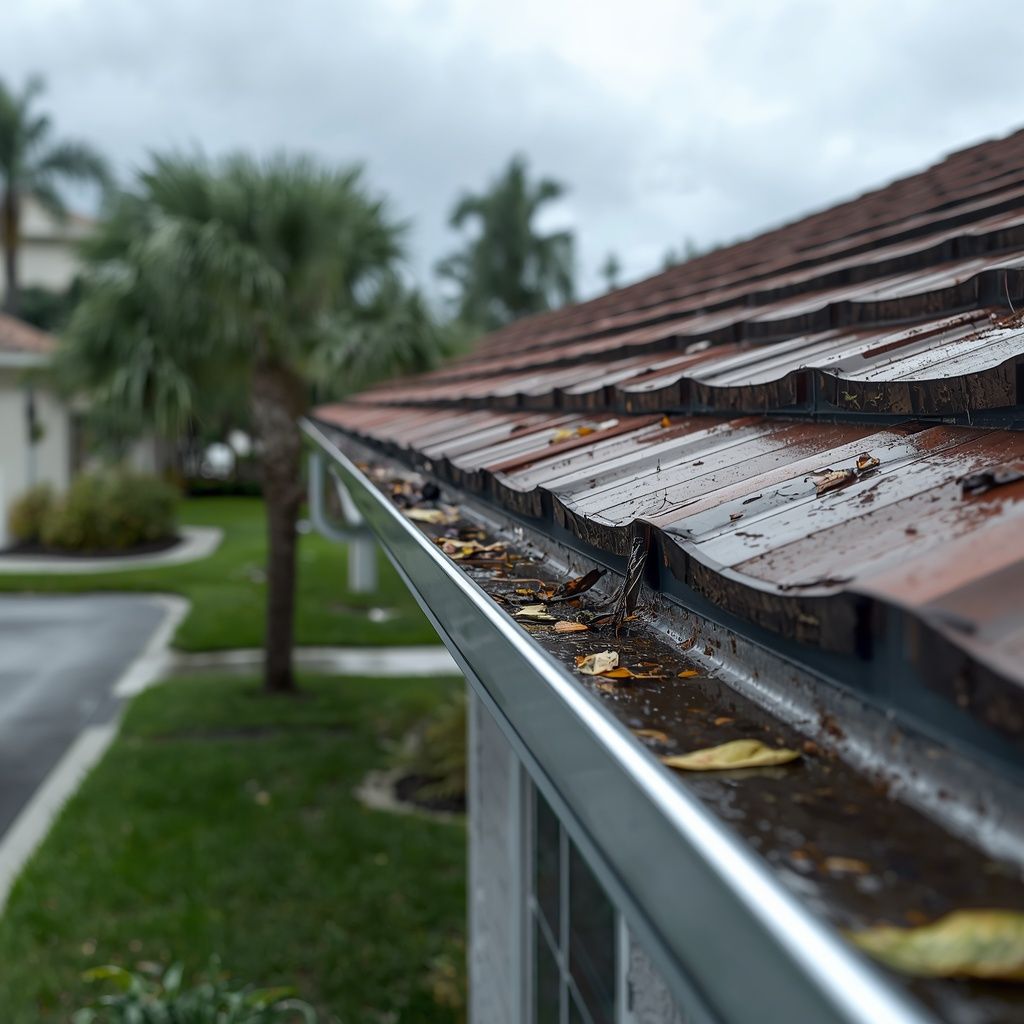
Gutter problems can contribute to fascia deterioration when water repeatedly overflows or runs behind the gutter. If surrounding wood deteriorates or exterior components loosen, gaps may develop that provide potential pest access.
Staining near a gutter does not identify the cause by itself. Clogs, poor alignment, leaking connections, or roof-edge defects may need assessment before repairs can address the source of the moisture.
Drainage Problems to Watch For
- Overflow during rainfall: Water spilling over the gutter edge can indicate a blockage or another drainage problem.
- Water running behind the gutter: This deserves inspection of the gutter’s position and its relationship to the roof edge.
- Sagging or loose sections: Movement can affect drainage and place stress on attachment points.
- Leaking corners or end caps: Repeated leakage can wet nearby exterior materials.
- Downspout blockages: Restricted discharge can cause water to back up in the system.
- Recurring stains or peeling finishes: These signs warrant investigation, especially if they return after cleaning or painting.
Properly functioning seamless gutters in Florida help manage roof runoff, but they do not replace repairs to damaged fascia or flashing. Address the drainage problem and any affected roofline materials together.
Next, we’ll explain how to repair potential pest entry points while preserving the ventilation your soffit system needs.
How Can You Repair Pest Entry Points Without Blocking Soffit Ventilation?
Repairing potential pest entry points involves securing damaged panels, addressing deteriorated backing, and restoring suitable vent protection. The goal is to close unintended gaps while keeping designed ventilation openings functional.
Covering every opening with caulk, foam, or solid material can interfere with airflow and leave the underlying damage unresolved. A contractor should distinguish between a construction gap that needs repair and a vent that needs an appropriate protective component.
What Proper Roofline Repairs Should Address
- Loose or missing panels: Refit or replace affected soffit sections using components compatible with the existing system.
- Damaged vent protection: Restore suitable screening or replace damaged vent components without obstructing their intended airflow.
- Deteriorated fascia and backing: Assess the material beneath exterior coverings so repairs address more than the visible surface.
- Separated corners and channels: Correct loose connections that allow panels to shift or leave openings.
- Moisture sources: Investigate recurring leaks or drainage problems that could damage the repaired area again.
- Suspected active pest entry: Coordinate with a pest or wildlife professional before closing an opening that animals may be using.
Professional soffit and fascia installation can help restore the roofline’s exterior components. If pest activity is confirmed, coordinate removal and exclusion with the appropriate professional so animals are not trapped inside during repairs.
Next, we’ll discuss whether aluminum soffit and fascia can help reduce pest-related damage and what their limitations are.
Does Aluminum Soffit and Fascia Help Keep Pests Out?
Properly installed aluminum soffit and fascia can help close roofline openings that pests might use for access. However, the material alone does not make a home pest-proof. Secure panels, sound backing, protected vents, and properly fitted connections all matter.
Aluminum does not provide a wood food source for termites, but aluminum coverings do not protect all the wood behind them from infestation. Loose panels or damaged connections can also leave access routes regardless of the material used.
What Matters Beyond the Material
- Secure installation: Panels need to remain seated in compatible channels and attached according to the system’s requirements.
- Sound underlying components: New coverings should not conceal unresolved deterioration in fascia boards or other supporting materials.
- Suitable vent protection: Vent components should maintain airflow while helping restrict pest access.
- Properly fitted transitions: Corners, joints, and penetrations need attention to avoid unintended gaps.
- Ongoing maintenance: Storm damage, loose components, and drainage problems still need assessment after installation.
When considering aluminum soffit and fascia installation, ask how the proposed work addresses existing damage, ventilation, and roofline connections. These details determine how well the finished system closes potential access points.
Next, we’ll cover routine maintenance that helps you spot roofline problems before they become more extensive.
How Can Routine Maintenance Help Reduce Roofline Pest Entry?
Routine maintenance helps you spot loose panels, damaged vents, and drainage problems before they lead to larger roofline openings. Check your soffit and fascia periodically from the ground and after storms, particularly if you notice a change in their appearance.
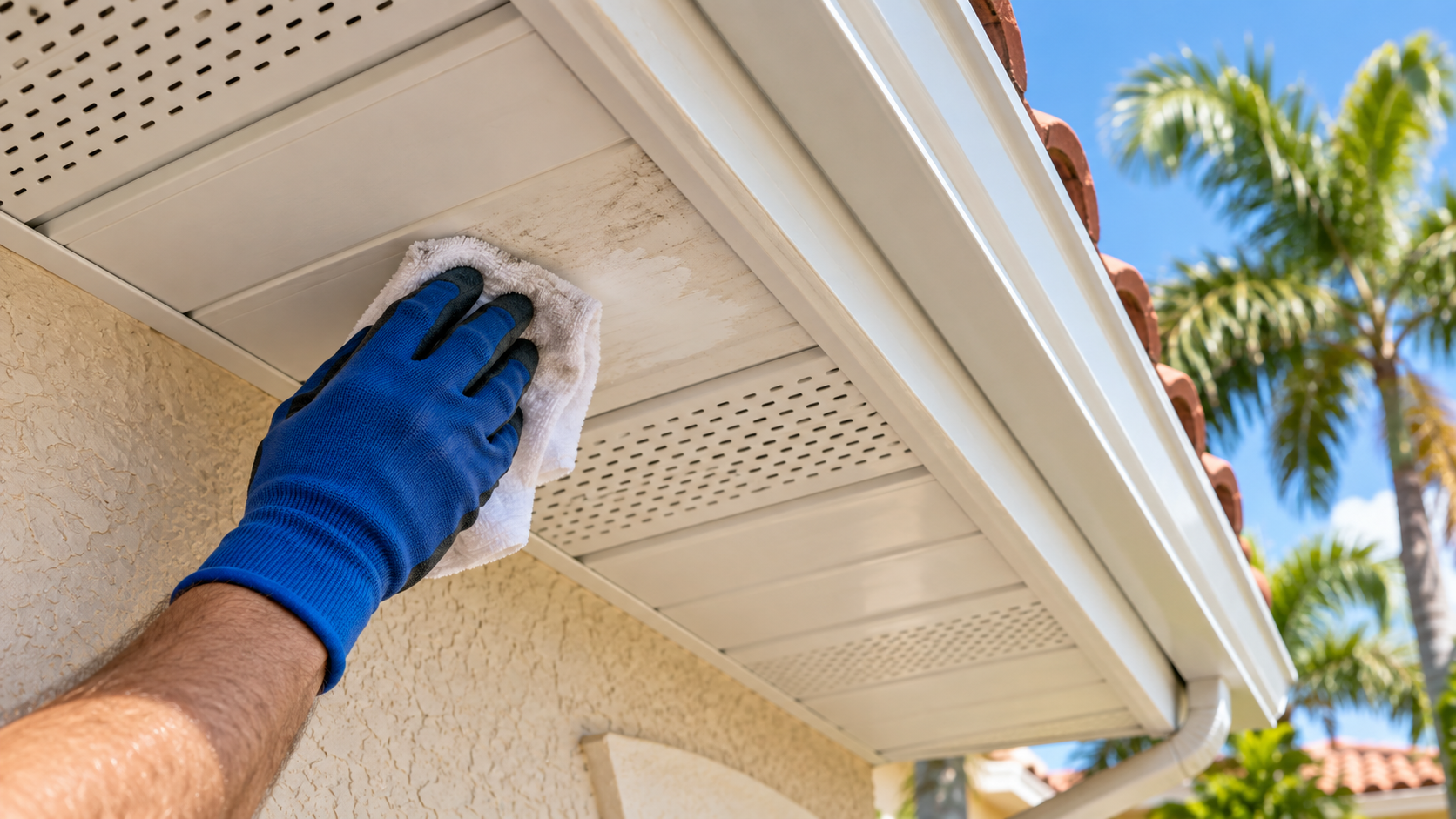
Cleaning can also make damage easier to see, but it does not repair gaps or resolve an infestation. Use methods appropriate for the installed materials and avoid forcing water through soffit vents.
Roofline Maintenance Tasks for Florida Homeowners
- Check for displaced panels: Look for sagging sections, separated edges, or panels that have slipped out of their channels.
- Watch for damaged vents: Arrange an assessment if vent screens or covers appear torn, loose, or missing.
- Keep gutters draining properly: Address debris buildup, recurring overflow, and downspout blockages.
- Investigate new staining: Have persistent discoloration or peeling finishes checked for an underlying moisture problem.
- Manage nearby vegetation: Keep branches from rubbing against the roofline and arrange suitable trimming where needed.
- Act on recurring pest activity: Record where animals or insects appear to enter, and share that information with a pest or wildlife professional.
For cleaning guidance, read our article on how to clean soffits and whether to use a pressure washer. If cleaning reveals loose components or openings, arrange repairs rather than covering the damage.
Next, we’ll explain when to contact a soffit and fascia contractor, a pest professional, or both.
Should You Call a Soffit Contractor or a Pest Professional?
Contact a soffit and fascia contractor for loose panels, damaged coverings, deteriorated backing, or other roofline repair needs. Contact a pest or wildlife professional when you suspect animals or insects are entering, nesting, or living inside the home.
When exterior damage and pest activity occur together, you may need both services. Coordinating the work helps address the infestation and repair the opening without closing animals inside.
Who to Contact Based on What You Notice
- Loose panels without observed pest activity: A soffit and fascia contractor can assess the damage and repair requirements.
- Animals repeatedly entering a gap: Arrange a pest or wildlife assessment before that opening is closed.
- Scratching sounds or suspected attic activity: A pest professional can investigate the activity and possible access routes.
- Nests or recurring insect movement: Have the activity assessed before disturbing the area or starting repairs.
- Water-damaged fascia near gutters: A contractor can evaluate the affected materials and drainage conditions.
- Confirmed pest activity alongside damaged components: Coordinate pest management with the contractor handling the exterior repairs.
For the roofline portion of the project, contact Heights Aluminum to discuss your soffit, fascia, and gutter concerns. Share any findings from the pest assessment so the repair scope and timing can be coordinated.
Next, we’ll answer common questions about soffit damage, pest entry, and roofline repairs.
Frequently Asked Questions About Soffit Damage and Pest Entry
Roofline damage can create potential access points, but an inspection is needed to determine whether pests are using them. These answers explain what repairs can address and when additional help may be needed.
Can Roof Rats Enter Through Damaged Soffits?
Roof rats may use openings left by missing panels, damaged vents, or separated roofline components. Seeing a rat near the gutter does not confirm an infestation, but repeated movement through an opening warrants a pest assessment.
Does a Gap in the Soffit Mean Pests Are Already Inside?
No. A gap indicates a potential access point, not proof of pest activity. Have the damage assessed, and report any associated sounds, droppings, nesting material, or observed entry to a pest professional.
Should You Seal a Soffit Opening Immediately?
Arrange an assessment promptly, especially if animals may be using the opening. Closing an active entry point without checking can trap animals inside. Repairs must also preserve designed ventilation openings.
Can New Soffit and Fascia Eliminate an Existing Infestation?
New components can help close identified roofline openings, but they do not remove pests already inside or address every possible entry route. Coordinate exterior repairs with appropriate pest management when activity is confirmed.
Is Aluminum Fascia Termite-Proof?
Termites do not eat aluminum, but aluminum fascia covering does not make the underlying wood or the home termite-proof. Suspected termite activity requires a qualified pest professional’s assessment.
Can You Cover Soffit Vents to Keep Pests Out?
Do not block designed ventilation openings with solid covers. Damaged vent protection should be repaired or replaced with suitable components that preserve the system’s intended airflow.
Do You Need New Gutters When Repairing Fascia?
Not necessarily. The gutter system’s condition and the extent of the fascia work determine whether temporary removal, reinstallation, or replacement is appropriate. Have both assessed before deciding on the project scope.
With these questions answered, the final step is to arrange the assessments and repairs your roofline needs.
Address Damaged Soffit and Fascia With Heights Aluminum
Loose soffit panels, damaged vents, and deteriorated fascia deserve attention before openings become larger or surrounding materials suffer further damage. A roofline assessment can help identify the repairs needed while preserving ventilation and proper drainage.
Heights Aluminum can discuss your options for soffit and fascia installation and seamless gutters in Florida. If you suspect active pest entry, coordinate a pest or wildlife assessment before the affected openings are closed.
Request a Quote for Your Roofline Project
Contact Heights Aluminum to discuss damaged panels, fascia concerns, or gutter problems at your home. Share any pest inspection findings so the exterior repair scope and timing can be planned around those recommendations.
About The Heights Aluminum
The Heights Aluminum is a licensed and insured Florida contractor based in Nokomis, specializing in exterior aluminum installations. Our services include seamless gutters in Florida, soffit and fascia installation, lanais and screened enclosures, and front entryways. We help homeowners improve their properties with functional, coordinated exterior solutions.
Planning an installation or replacement project? Call (941) 492-6064 or request a quote to discuss your home’s needs.