How to Clean Soffits: Can You Use a Pressure Washer?
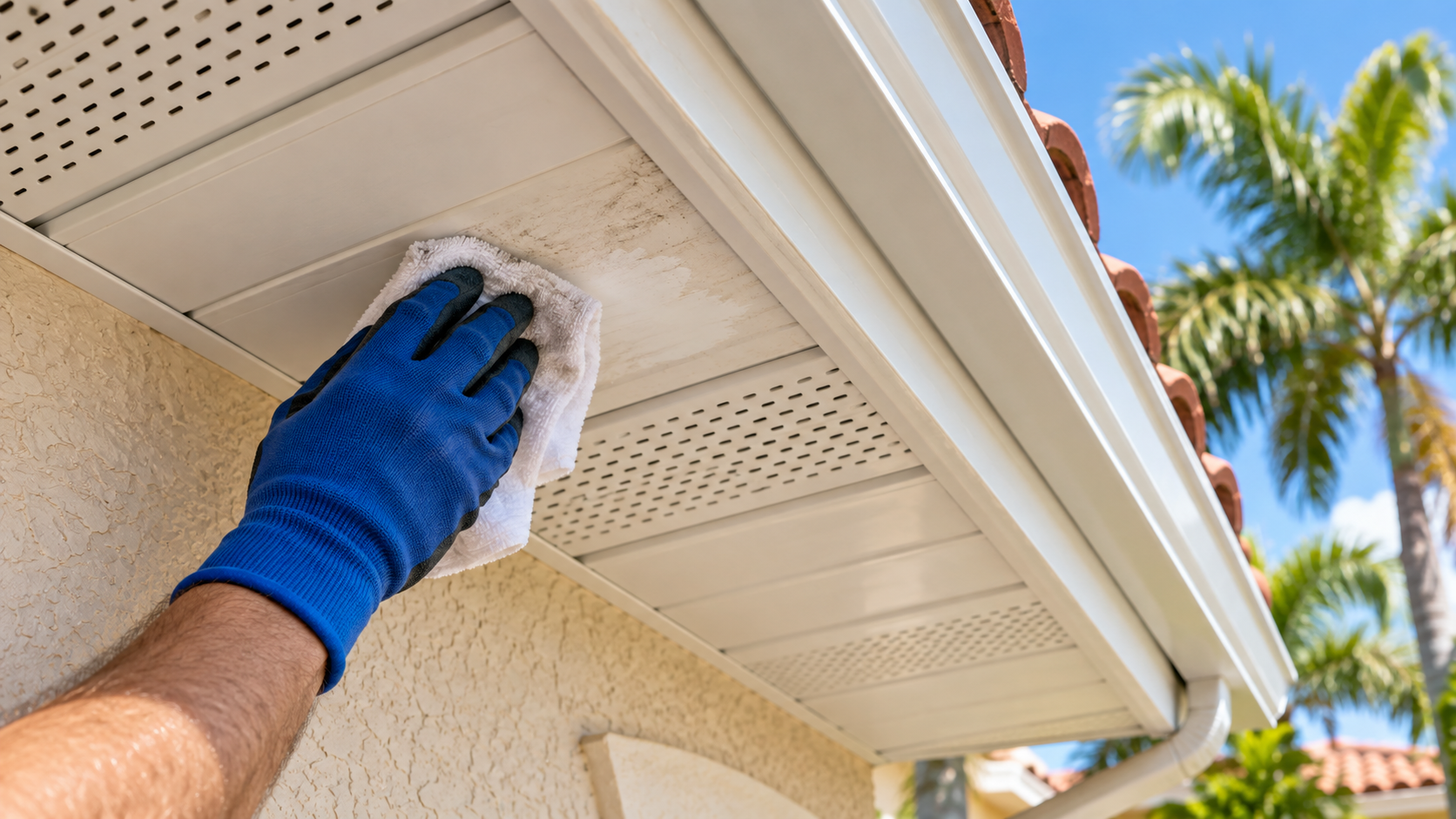
For routine soffit cleaning, start with a soft-bristled brush, a cleaner approved for your soffit’s material and finish, and a gentle rinse following the manufacturer’s care instructions. A pressure washer is not automatically suitable for every soffit system, especially around ventilation openings, loose panels, or deteriorated finishes. Before choosing a cleaning method, identify the material and inspect its condition.
Soffits cover the underside of your roof’s overhang, where dirt, cobwebs, and staining can collect. Cleaning can improve their appearance, but recurring stains, loose panels, or visible deterioration may need attention beyond washing. This guide explains how to clean soffits, what to consider before pressure washing, and when to discuss replacement with a soffit and fascia installation professional.
What Is the Best Way to Clean Soffits?
The best starting point for routine soffit cleaning is a gentle method approved for the material and finish. A soft-bristled brush and a compatible cleaning solution can help loosen surface dirt without relying on high-pressure spray. Follow the manufacturer’s rinsing instructions, taking care around ventilation openings and panel joints.
Before cleaning, inspect the soffit for loose panels, peeling finishes, cracks, or signs of moisture damage. Washing will not repair those conditions and may worsen them if water enters an exposed opening. Identify whether your soffits are aluminum, vinyl, painted wood, or another material before choosing supplies.
What to Check Before You Start
- Material and finish: Confirm which cleaning methods and products the manufacturer permits.
- Panel condition: Address loose or damaged sections before washing.
- Ventilation openings: Avoid directing concentrated water into vents or gaps.
- Cleaner compatibility: Follow dilution instructions and test an inconspicuous area first.
- Safe access: Use suitable equipment or hire a professional if you cannot comfortably reach the area.
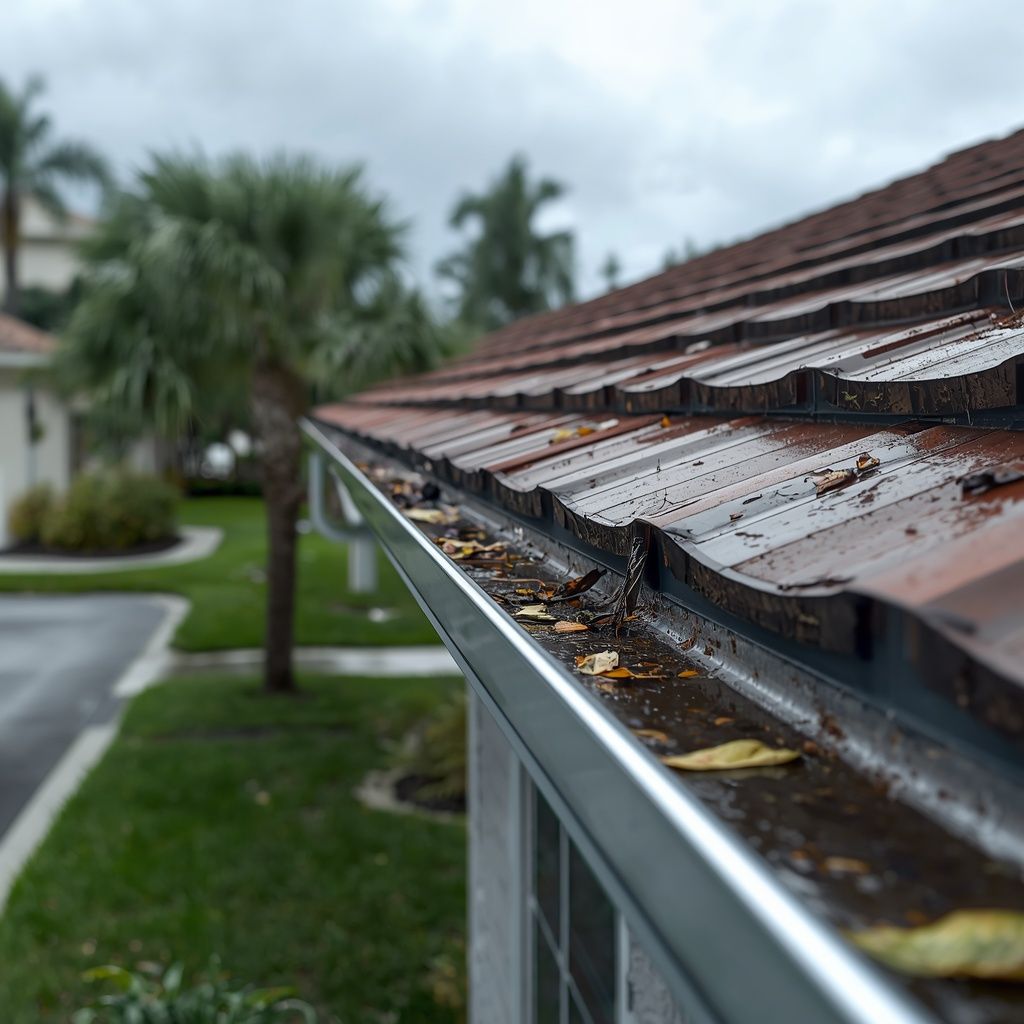
- Nearby gutters: Look for overflow or leaks that may contribute to recurring staining.
If staining returns near the roofline, the surrounding gutter system may also need assessment. Homeowners comparing gutter companies in Florida or planning seamless gutters in Ocala, Florida should consider drainage and the condition of adjacent soffit and fascia together. Next, we’ll explain whether a pressure washer is appropriate for soffits and when to choose a gentler method.
Can You Use a Pressure Washer to Clean Soffits?
A pressure washer may be suitable for some soffit products, but only when the manufacturer permits it and the installation is in good condition. High-pressure spray can damage finishes, loosen panels, or force water through vents and joints. Do not assume that pressure-washing instructions for siding also apply to the soffit beneath your roof overhang.
For routine dirt and cobwebs, start with a gentler cleaning method rather than increasing pressure. If you cannot identify the soffit material or confirm its care requirements, use manufacturer-approved hand cleaning or consult a qualified exterior-cleaning professional. There is no single pressure setting that is appropriate for every soffit system.
When Should You Avoid Pressure Washing Soffits?
- Loose or cracked panels: Water can enter openings or further disturb damaged sections.
- Peeling paint or deteriorated finishes: Concentrated spray may remove more of the coating.
- Soft or rotting wood: Cleaning will not resolve deterioration and may worsen the damage.
- Exposed vents and gaps: Avoid directing pressurized water into the roof or attic space.
- Unknown product requirements: Confirm the permitted method before using a pressure washer.
- Unsafe access: Do not operate a pressure washer while standing on a ladder.
If your soffits show damage, address their condition before choosing a cleaning method. A soffit and fascia installation professional can discuss replacement needs when washing alone will not solve the problem. Next, we’ll compare cleaning considerations for aluminum, vinyl, and wood soffits.
How to Clean Aluminum, Vinyl, and Wood Soffits
The right cleaning method depends on both the soffit material and its surface finish. Aluminum, vinyl, and painted wood can have different care requirements, so check the manufacturer’s instructions before choosing a cleaner or equipment. Start with gentle cleaning rather than assuming a stronger chemical or more pressure will produce better results.
Inspect the panels before washing, paying attention to joints, vents, and any deteriorated areas. Dirt on an intact surface may be suitable for routine cleaning, while peeling paint, corrosion, or soft wood needs separate assessment. Cleaning should preserve the material and finish while removing surface buildup.
| Soffit material | Starting approach | What to watch for |
|---|---|---|
| Aluminum | Use a soft brush or cloth with a cleaner approved for the coating, then rinse as directed. | Abrasive tools can scratch finishes. Inspect for corrosion, dents, and loose panels. |
| Vinyl | Follow the product’s care instructions for gentle brushing, compatible cleaners, and rinsing. | Check for cracks and loose sections. Avoid forcing water through vents or panel joints. |
| Painted wood | Use a method compatible with the paint and wood’s condition, limiting unnecessary soaking. | Peeling paint, open joints, and soft or rotting areas may require repair before cleaning. |
Do not assume that a cleaner labeled for general exterior use is suitable for every soffit finish. Test an inconspicuous area and follow its dilution and rinsing instructions. Next, we’ll cover the tools and supplies to gather before cleaning your soffits.
Tools and Supplies You Need to Clean Soffits
For routine soffit cleaning, gather a soft-bristled brush, a compatible cleaner, and suitable rinsing equipment. Choose tools that let you work comfortably without scraping the finish or forcing water into vents. A lightweight extension brush may help you reach some areas from the ground.
Check the cleaner’s label and your soffit manufacturer’s care instructions before starting. Follow the specified dilution, application, and rinsing requirements rather than mixing a homemade solution. Protect nearby plants and surfaces as directed by the cleaning product.
Soffit Cleaning Supply Checklist
- Soft-bristled brush or nonabrasive cloth: Choose one suitable for your soffit material and finish.
- Lightweight extension pole: Use it where practical to reach the overhang without overextending.
- Approved cleaning solution: Confirm compatibility with aluminum, vinyl, painted wood, or your specific coating.
- Bucket and measuring container: Prepare the cleaner according to its label.
- Garden hose with an adjustable nozzle: Use a gentle flow where rinsing is permitted, avoiding concentrated spray into openings.
- Eye protection and gloves: Follow the cleaner’s protective-equipment instructions, especially when working overhead.
- Suitable access equipment: If you cannot reach the area safely, arrange professional cleaning rather than improvising.
Having the right supplies makes it easier to clean gently and control where the water goes. Before applying cleaner across the soffit, inspect the area and test your chosen method on a small, inconspicuous spot. Next, we’ll walk through the soffit-cleaning process step by step.
How to Clean Soffits Step by Step
To clean soffits, inspect their condition, remove loose surface debris, apply an approved cleaner, brush gently, and rinse according to the product’s instructions. Work in small sections so you can control the cleaning solution and water. Avoid directing spray into ventilation holes, open joints, or damaged areas.
Choose a position that lets you work without overreaching, preferably from the ground with suitable extension tools. If you cannot reach the soffits safely or control the rinse around openings, arrange professional cleaning. Do not begin washing loose panels or deteriorated wood.
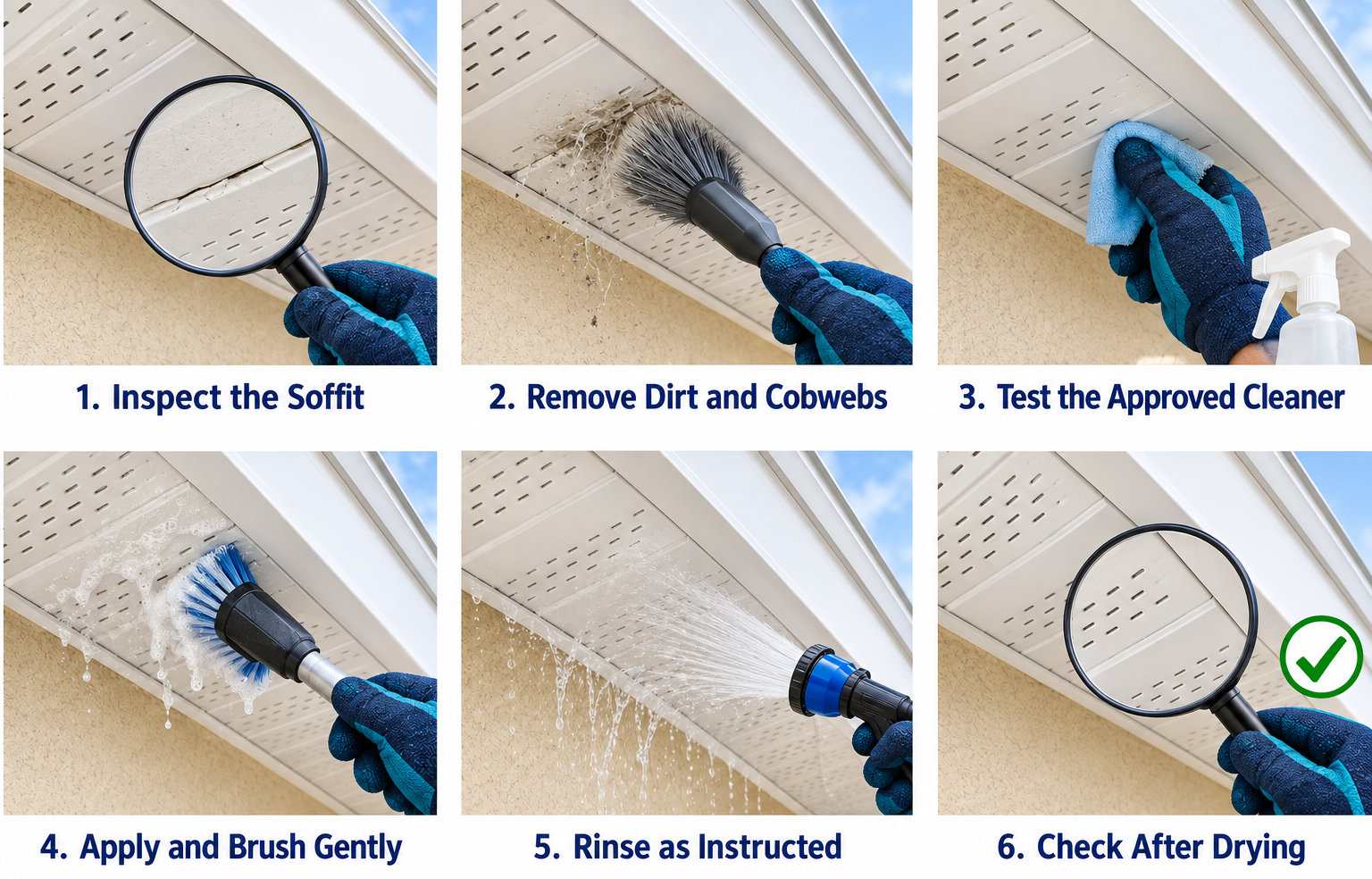
Six Steps for Routine Soffit Cleaning
- Inspect the soffit and surrounding area: Look for loose panels, cracks, peeling finishes, and moisture damage. Address those conditions before cleaning.
- Remove loose dirt and cobwebs: Use a soft brush with light pressure, taking care not to push debris into vents.
- Test the approved cleaner: Prepare it according to the label and test a small, inconspicuous area. Check for discoloration or finish damage before continuing.
- Apply and brush gently: Clean one manageable section at a time. Follow the product’s contact-time instructions and avoid letting it dry on the surface unless directed.
- Rinse as instructed: Where rinsing is permitted, use a controlled, gentle flow. Avoid flooding vents, panel joints, and nearby electrical fixtures.
- Check after drying: Look for remaining stains, cleaner residue, or damage that was hidden by dirt. Do not respond to persistent staining by automatically increasing pressure.
A gentle cleaning can improve the appearance of intact soffits, but stains that return may point to an unresolved moisture or drainage issue. Next, we’ll explain how to approach stubborn staining and when further assessment is needed.
How to Handle Stubborn Stains on Soffits
If stains remain after gentle cleaning, check the soffit manufacturer’s care instructions before trying a different product. A stain-specific cleaner may be suitable for some finishes, but stronger chemicals or harder scrubbing can damage others. Discoloration can also come from a deteriorated coating rather than removable surface dirt.
Pay attention to stains that return in the same location, especially near gutter joints or the roof’s edge. Cleaning may improve their appearance without addressing the source of moisture. Look for accompanying signs such as peeling paint, corrosion, soft wood, or loose panels before repeating the wash.
What to Do When Stains Remain or Return
- Check product compatibility: Confirm that any additional cleaner is approved for the soffit material and finish.
- Test before wider application: Use a small, inconspicuous area and check the result after drying.
- Follow the cleaner’s instructions: Use the stated dilution and contact time rather than increasing the concentration.
- Keep cleaning products separate: Do not mix cleaners or apply one over another without following their instructions.
- Inspect nearby drainage: Overflow or leaks from seamless gutters may contribute to staining around the roofline.
- Assess visible deterioration: Damaged panels or finishes may need repair or replacement rather than another cleaning attempt.
Persistent staining is a reason to reassess the surface and surrounding area, not automatically increase pressure. If you notice deterioration, discuss the condition with a soffit and fascia installation professional. Next, we’ll cover common soffit-cleaning mistakes and how to avoid them.
Common Soffit-Cleaning Mistakes to Avoid
The most common soffit-cleaning mistakes involve excessive pressure, incompatible cleaners, and water directed into ventilation openings. These approaches can damage finishes or allow moisture behind the panels. Cleaning should remove surface buildup while preserving the soffit and its ventilation function.
It is also easy to mistake deterioration for dirt. Peeling coatings, corrosion, or soft wood will not be corrected by stronger scrubbing. Inspect the surface first so you can distinguish routine cleaning needs from conditions requiring repair or replacement.
Mistakes That Can Damage Soffits
- Spraying directly into vents: Avoid concentrated water flow through perforations, open joints, or gaps.
- Using abrasive tools: Wire brushes and rough scouring pads can scratch or remove finishes.
- Choosing cleaners without checking compatibility: Follow both the cleaner’s label and the soffit manufacturer’s care instructions.
- Letting cleaner dry unintentionally: Work in manageable sections and follow the product’s contact-time and rinsing requirements.
- Washing loose or damaged panels: Address their condition before applying water or cleaning solution.
- Overreaching or pressure washing from a ladder: Use suitable access equipment or arrange professional cleaning.
- Ignoring recurring stains: Check for an unresolved moisture or drainage issue instead of repeatedly treating the surface.
Gentle cleaning and careful inspection help you avoid turning a maintenance task into a repair project. If washing reveals damaged components, explore your options for soffit and fascia installation. Next, we’ll discuss how often to inspect and clean your soffits in Florida.
This is paragraph text. Click it or hit the Manage Text button to change the font, color, size, format, and more. To set up site-wide paragraph and title styles, go to Site Theme.
How Often Should You Clean Soffits in Florida?
Clean your soffits when visible dirt, cobwebs, or surface buildup develops, following the manufacturer’s maintenance guidance. There is no single cleaning schedule that suits every Florida home. Nearby trees, coastal exposure, shade, and the soffit’s material and condition can affect how quickly buildup appears.
Check the roofline periodically from the ground and after significant storms, when it is safe to do so. Look for changes such as new staining, loose panels, or gutter overflow. These observations can help you decide whether the soffits need routine cleaning or further assessment.
When to Check Your Soffits
- During regular exterior maintenance: Look for dirt, cobwebs, and changes in the finish.
- After significant storms: Check for displaced panels or visible damage once conditions are safe.
- When gutters overflow: Inspect nearby soffit and fascia for staining or deterioration.
- When stains return after cleaning: Investigate the source rather than simply washing more often.
- Before repainting or replacing exterior components: Assess the existing material and coordinate maintenance with planned work.
Adjust your cleaning routine to the condition of your home rather than washing unnecessarily. Keeping an eye on both the soffits and seamless gutters can help you spot related roofline issues. Next, we’ll explain when cleaning is no longer enough and when to consider soffit repair or replacement.
When Is Soffit Cleaning Not Enough?
Cleaning is not enough when soffit panels are loose, cracked, missing, or visibly deteriorated. Washing can remove surface dirt, but it cannot restore damaged material or fix an opening beneath the roof overhang. Have those conditions assessed before applying more water or cleaner.
Recurring stains also deserve attention, particularly when they appear alongside peeling finishes, soft wood, or damage near the fascia. The source may involve the roof, gutter system, or another moisture-related issue. Identifying that source helps determine whether the soffit needs repair, replacement, or a different maintenance approach.
Signs Your Soffits Need Further Assessment
- Loose or sagging panels: Sections have shifted or pulled away from their supports.
- Cracks or missing pieces: Openings remain that cleaning cannot correct.
- Soft or crumbling wood: The material shows signs of deterioration.
- Corrosion or damaged finishes: Surface damage persists after dirt is removed.
- Recurring moisture stains: Discoloration returns in the same area after cleaning.
- Damaged ventilation openings: Vented sections are broken, distorted, or obstructed.
- Deteriorated fascia nearby: The roofline has visible damage beyond the soffit itself.
If your soffits show these signs, discuss your options for soffit and fascia installation with The Heights Aluminum. You can also request a quote for a replacement project. Next, we’ll answer common questions about soffit cleaning and pressure washing.
Frequently Asked Questions About Cleaning Soffits
The right cleaning method depends on your soffit’s material, finish, and condition. These answers address common questions about removing dirt, using water around vents, and recognizing when cleaning is not enough.
What Is the Best Way to Clean Soffits?
Start with a soft-bristled brush or nonabrasive cloth and a cleaner approved for the soffit material and finish. Follow the manufacturer’s application and rinsing instructions. Inspect for damage before washing, and avoid directing water into vents or open joints.
Can You Pressure Wash Soffits?
Only use a pressure washer if the soffit manufacturer permits it and the installation is in suitable condition. Concentrated spray can damage finishes, disturb loose panels, or force water through openings. Do not assume that pressure-washing instructions for siding also apply to soffits.
What Pressure Setting Should You Use on Soffits?
There is no universal pressure setting for all soffits. Follow the specific product’s care instructions, including any restrictions on equipment, nozzle choice, distance, and spray direction. If you cannot confirm those requirements, choose an approved gentler method.
Can You Clean Soffits with a Garden Hose?
A garden hose may be suitable where the manufacturer permits rinsing. Use a controlled, gentle flow and avoid directing water into ventilation holes, gaps, or damaged sections. A hose can still introduce unwanted moisture if the spray is poorly controlled.
Can You Use Bleach to Clean Soffits?
Use a bleach-containing cleaner only if both the soffit manufacturer and the cleaning product approve it for the material and finish. Follow dilution, protective-equipment, and rinsing instructions. Never mix bleach with other cleaning products.
How Do You Clean Vented Soffits?
Gently remove surface dust and cobwebs without pushing debris into the openings. Use only the cleaning method approved for that soffit system, avoiding concentrated spray into the vents. Damaged or persistently obstructed ventilation openings may need professional attention.
Can You Clean Soffits from the Ground?
Some soffits can be reached with a suitable lightweight extension brush. Work only where you can control the tool without overreaching or applying excessive force. Arrange professional cleaning when the height or layout prevents safe access.
Does Staining Mean Your Soffits Need Replacement?
Staining alone does not establish that replacement is necessary. However, recurring stains combined with loose panels, corrosion, or soft wood warrant further assessment. For deteriorated components, discuss your options for soffit and fascia replacement.
With the cleaning questions addressed, the final step is deciding whether your home needs routine maintenance or an installation project. Next, we’ll explain how to contact The Heights Aluminum about updating your soffit and fascia.
Plan Your Soffit and Fascia Project with The Heights Aluminum
Gentle cleaning can improve the appearance of intact soffits, but damaged panels, deteriorated finishes, and recurring moisture issues need further assessment. Knowing when to stop washing and address the condition of the roofline helps you plan the right next step for your home.
The Heights Aluminum provides soffit and fascia installation and seamless gutters in Florida. If your exterior components need replacement, our team can discuss your project, available materials, and finishes that complement your home.
Request a Quote for Your Home
Call (941) 492-6064 or request a quote online to discuss your soffit, fascia, or gutter installation needs with The Heights Aluminum.
About The Heights Aluminum
The Heights Aluminum is a licensed and insured Florida contractor based in Nokomis, specializing in exterior aluminum installations. Our services include seamless gutters in Florida, soffit and fascia installation, lanais and screened enclosures, and front entryways. We help homeowners improve their properties with functional, coordinated exterior solutions.
Planning an installation or replacement project? Call (941) 492-6064 or request a quote to discuss your home’s needs.